DRIVING STYLE
Look further ahead
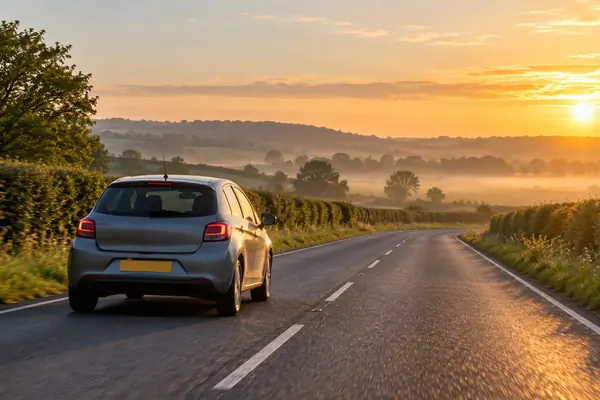
The Energy Saving Trust advises anticipating the road to avoid unnecessary braking and acceleration, and changing up early, usually by around 2,000 rpm.
Check a habitWHAT THE TESTS AND GUIDANCE SAY
The official figure is a lab result. Your result depends on how you drive.
US government testing found that aggressive driving can cut fuel economy by 15% to 30% at motorway speeds. The Energy Saving Trust's advice comes down to a few habits: anticipate, change up early, ease off the speed and lose the drag.
SMOOTH saves fuel
THE SHORT ANSWER
Most of the saving is in how you drive.
A little more comes from what you carry.
DRIVING STYLE
The Energy Saving Trust advises anticipating the road to avoid unnecessary braking and acceleration, and changing up early, usually by around 2,000 rpm.
Check a habitDRAG
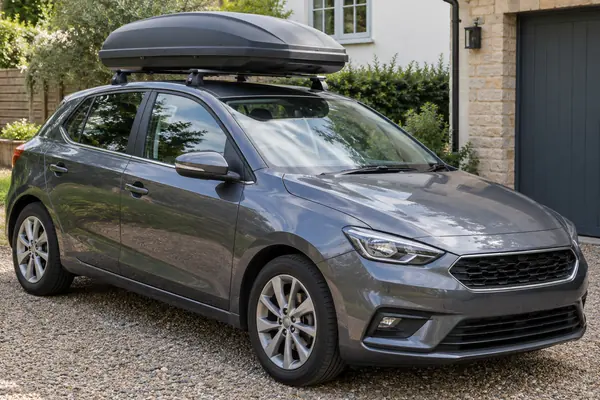
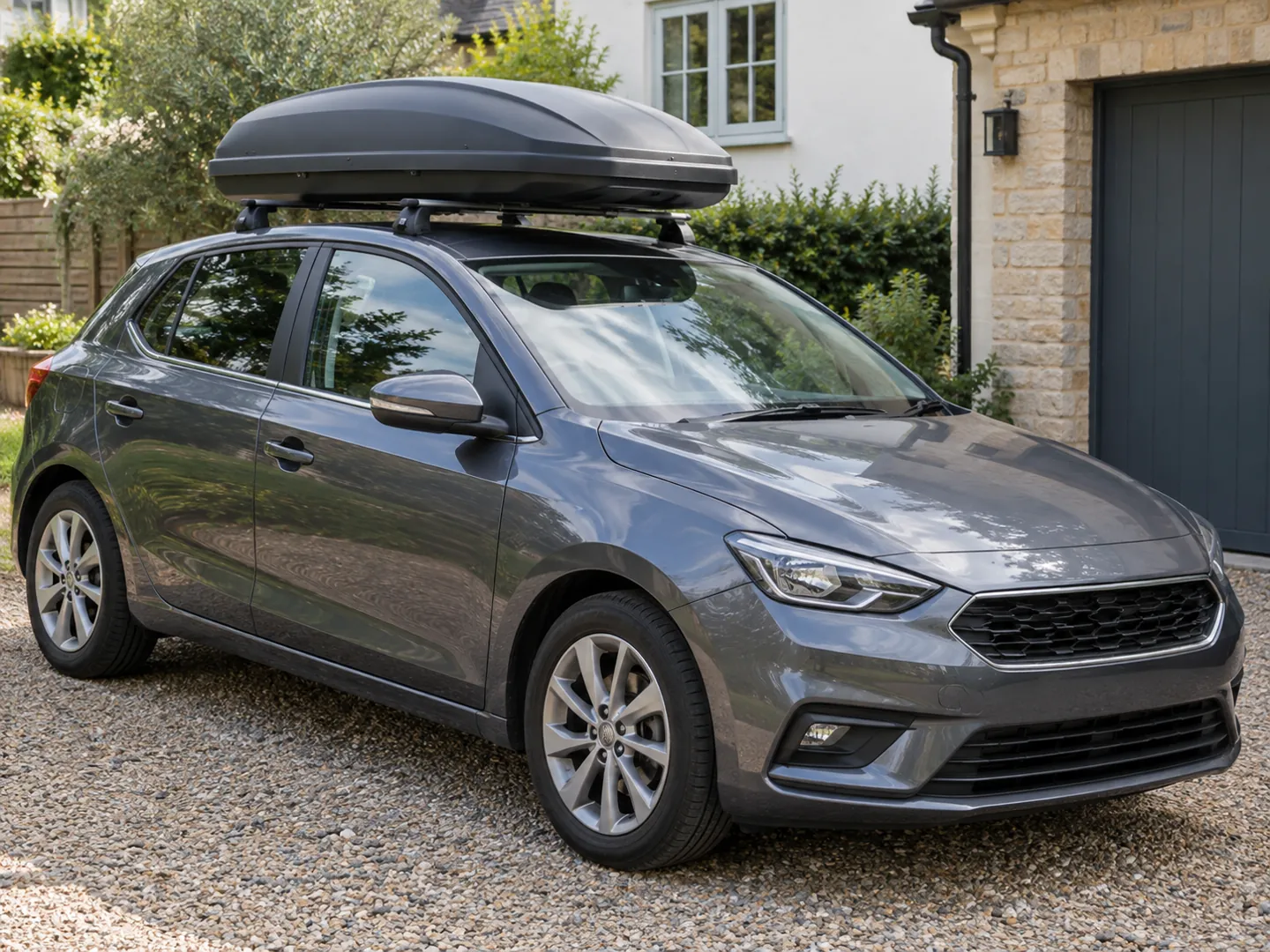
In US tests, a large roof box cut fuel economy by 10% to 25% at 65 to 75 mph. Rear-mounted carriers cost far less.
See the numbersTYRES
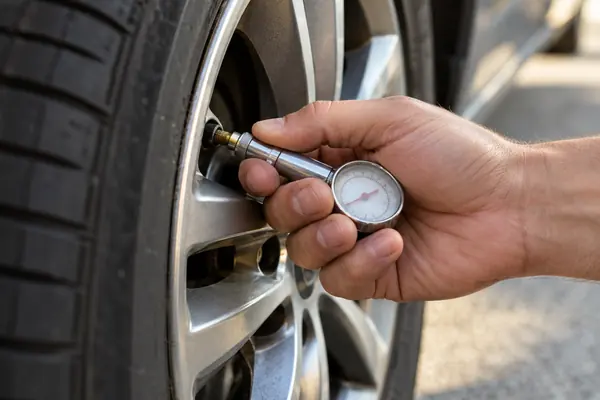
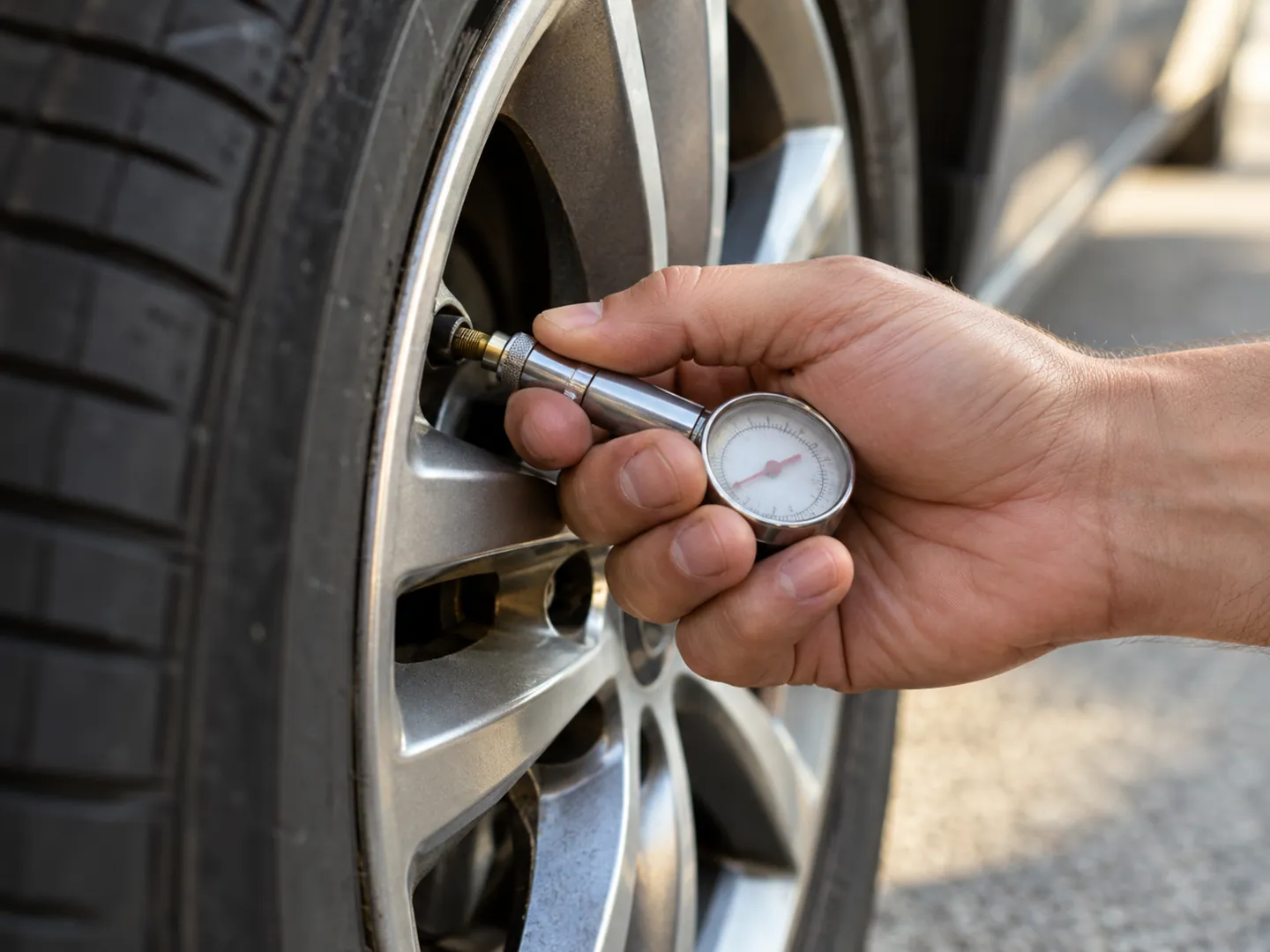
Under-inflated tyres raise fuel use and can be dangerous. The Energy Saving Trust says check them at least once a month and before long trips.
What to doA QUICK HABIT CHECK
Pick a habit to see what testing found it does to fuel economy. The bar shows the size of the effect. Figures come from US government vehicle testing.
Figures from fueleconomy.gov (US Department of Energy and Environmental Protection Agency, testing by Oak Ridge National Laboratory). Individual cars vary.
TWO NUMBERS WORTH KNOWING
One figure on driving style,
one on what you strap to the roof.
15–30%
Fuel economy lost to aggressive driving at highway speeds
Speeding, rapid acceleration and hard braking. In stop-and-go traffic the loss was 10% to 40%.
DRIVING STYLE · FUELECONOMY.GOV
10–25%
Fuel economy lost to a large roof box at 65 to 75 mph
Based on Oak Ridge National Laboratory tests. Rear-mounted boxes or trays cost only 1% to 5% on the highway.
ROOF BOX · FUELECONOMY.GOV
Source: fueleconomy.gov, administered by Oak Ridge National Laboratory for the US Department of Energy and EPA.
WHAT THE GUIDANCE SAYS
The Energy Saving Trust's efficient driving advice, with the Highway Code's rule on idling.
Keep a greater gap to the vehicle in front so you can adjust speed without braking, and lift off the accelerator early while staying in gear.
High revs increase fuel use. When accelerating, change up early, usually by around 2,000 rpm.
Highway Code rule 123 says you must not leave an engine running unnecessarily while stationary on a public road; the Energy Saving Trust suggests switching off if stopped for more than a minute.
The Energy Saving Trust says opening a window is more fuel efficient than air conditioning, even at higher speeds, so use air con sparingly.
ELECTRIC CARS TOO
For electric cars, the Energy Saving Trust says energy use rises even more steeply at high speeds, so easing off matters more. Regenerative braking, combined with good anticipation, lets you do most of your slowing while recharging the battery.
Heating an electric car's cabin drains the battery. Heated seats and steering wheels let you turn the cabin temperature down for a net saving in energy.
Questions
A smoother driving style that cuts fuel use and emissions. The Energy Saving Trust describes it as becoming a better driver rather than sacrificing performance, with safety benefits from better anticipation.
Usually, yes. US government guidance says fuel economy usually decreases rapidly above 50 mph, and the Energy Saving Trust says consumption increases dramatically at high speeds.
The Highway Code says you must not leave an engine running unnecessarily while stationary on a public road, but allows it when stationary in traffic. Many newer cars stop the engine automatically.
The Energy Saving Trust says opening a window is more fuel efficient than air conditioning, even at higher speeds, though it accepts air con is sometimes needed on very hot days.
US testing found mileage falls by about 0.2% for every 1 psi drop. Use the pressure on the door sticker or in the handbook, not the maximum on the tyre sidewall.
Sources
ABOUT THIS NAME
econospec.com is part of the DoodleSale portfolio. It isn't in an auction right now, but you can ask about leasing it.